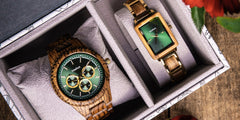


Choosing between gold vs. silver watches starts with your wardrobe, your routine, and the details you want for your budget. Gold tones add warmth, while silver watches offer a cooler look. Neither color automatically means better quality or value; the materials, movement, and construction matter more.
In this guide, “gold” and “silver” describe the watch’s color unless a precious-metal material is specifically stated. Treehut combines these metal tones with natural materials, giving you more to compare than color alone.
Silver Watch vs. Gold Watch: What’s the Difference?
The main difference between gold vs. silver watches is the look of the finish, not necessarily the material underneath it. Gold brings warmer tones, while silver has a cooler appearance. But two watches with different finishes can still share the same base material.
|
Feature |
Gold Watch |
Silver Watch |
|
Color tone |
Warm, yellow or golden tones |
Cool, white-metal tones |
|
Visual presence |
Often creates stronger contrast on the wrist |
Often has a more neutral appearance |
|
Common materials |
May use solid gold, gold plating, or a gold-colored finish over another metal |
Often stainless steel or another metal with a silver-colored finish |
|
With natural materials |
Dark woods and brown leather can temper the brightness of gold |
Warm woods and brown leather can add contrast to cooler silver tones |
|
Overall look |
Can appear subtle or more noticeable depending on the dial, case, and strap |
Can appear minimal or more pronounced depending on the dial, case, and strap |
Beyond color, compare these five features before deciding:
- Overall design. The same metal tone can look completely different across a slim three-hand watch, a larger chronograph, or a mixed-material design. Case size, dial layout, indices, and strap choice can make either gold or silver more prominent.
- Wardrobe flexibility. Both colors can cover more ground than their traditional associations suggest. A leather strap, wood detail, or contrasting dial can make either finish easier to combine with different clothing without relying on strict color-matching rules.
- Visible wear. Scratches and marks can appear on either finish. How noticeable they are depends on the coating, texture, surface treatment, and base material. Polished and brushed surfaces can also show everyday wear differently.
- Comfort. Case size, weight, bracelet construction, and strap material can affect how a watch feels throughout the day. Compare the specific designs rather than assuming gold or silver will be more comfortable based on color.
- Price. Don’t assume a gold-colored watch should cost more simply because it looks like gold. Compare watches with similar specifications to see whether the price difference comes from construction and features rather than color alone.
Which Looks Better With Your Personal Style?

Start with what you already wear. Your jewelry, accessories, and usual clothing can reveal which watch finish will fit more naturally into your wardrobe.
Look at your rings, bracelets, belt hardware, glasses, and other metal details. If silver tones appear repeatedly, a silver watch can continue that pattern. If you regularly wear gold jewelry or gold-tone hardware, gold may be the easier fit.
You don’t have to match every metal, though. A silver watch can sit comfortably beside a gold wedding ring. If you already mix gold and silver jewelry, either watch color can make sense. That flexibility is worth remembering when comparing gold vs. silver watches for your personal style.
The strap and dial give you even more options. Learning how to style a silver watch, for example, doesn’t mean sticking to gray suits or black shirts. Brown leather, natural wood, or a warmer dial can introduce contrast and open up more outfit combinations.
For a quick check, picture the watch with three outfits you wear often. If it works with all three, you’re more likely to wear it regularly.
Men’s Silver and Gold Watch Styles for Different Occasions
Where you’ll wear the watch can matter just as much as color when comparing gold vs. silver watches. Think about your normal week and choose a design that suits the settings where you’ll actually wear it.
- Everyday wear. Prioritize a watch that feels comfortable and works across several parts of your day. A straightforward dial and versatile strap or bracelet can make either gold or silver easy to wear regularly.
- Work. Consider how formal your workplace is. A clean three-hand watch can suit offices where you want something understated, while a chronograph or larger case can make more of a statement in casual workplaces.
- Formal occasions. Pay attention to the whole watch rather than choosing by metal tone alone. A slimmer case, simpler dial, and less bulky strap or bracelet can make either gold or silver suitable for weddings, dinners, and other dressed-up events.
- Casual settings. You have more room to experiment with wood, leather, textured dials, larger cases, and mixed materials. These details can give both gold and silver watches more personality without making them difficult to wear.
- Weekends and travel. Think about comfort and what your plans involve. A watch you can wear through a long day without constantly adjusting or worrying about it will usually be more useful than one chosen only for how it looks.
Which Is Easier to Maintain: A Gold or Silver Watch?
Maintenance is another factor to consider when comparing gold vs. silver watches, but color alone doesn’t determine how much care a watch needs. The finish, coating, case material, and strap or bracelet matter more.
Polished, brushed, plated, and coated surfaces can require different care. In particular, abrasive cleaners or polishing products may damage certain finishes, so use cleaning methods recommended for the specific watch.
Straps need their own attention. Metal bracelets, leather straps, and wooden components can respond differently to moisture and cleaning products. A method that works for stainless steel may not be suitable for leather or wood.
Water resistance matters as well. Check the watch’s stated rating before exposing it to water, and consider the materials used throughout the watch. Even when the case offers water resistance, other components may require more careful handling.
Gold vs. Silver Watches: What Are You Actually Paying For?
A watch isn’t worth more simply because its finish looks more expensive. When assessing gold vs. silver watches, look at what you’re getting for the price rather than judging value by color.
Start with the movement and functions. Quartz, automatic, and chronograph watches offer different features and can sit at different price points, so compare what each watch actually offers.
Next, check the case material, crystal, dial, strap or bracelet, and finishing. If the design includes wood, marble, leather, or other materials, consider their quality and how they have been incorporated into the watch.
Craftsmanship and personalization can add value too. Construction, finishing, and custom engraving may matter more to one buyer, while another may prefer to spend more on the movement or additional functions.
Compare watches with similar specifications before comparing prices. You’ll get a clearer sense of whether the difference comes from materials, features, craftsmanship, or simply the finish.
So, Should You Choose Gold or Silver?
If you’re still comparing gold vs. silver watches, focus on which one fits your existing style, how often you’ll wear it, and whether the specifications justify the price.
- Choose gold if you naturally prefer gold-tone accessories or want the watch to have a stronger visual presence. Then compare the movement, materials, and construction before deciding which design is worth buying.
- Choose silver if silver-tone accessories already make up more of what you wear or you prefer a less prominent metal tone. Apply the same check to the movement, materials, and construction rather than choosing on color alone.
- Consider either if you already wear both metals comfortably. In that case, let comfort, movement, build quality, and the design you’re most likely to wear decide it.
Treehut’s Approach to Gold and Silver Watches

Treehut pairs metal tones with natural materials such as wood, adding grain, texture, and color variation to the overall design. Compare the complete combination of case, dial, and strap to find the look you prefer.
Gold and silver can each take on a different look depending on the materials around them. Darker woods can create stronger contrast, while leather, marble, and mixed wood-and-metal designs introduce different textures and details. This gives you more room to choose based on the overall watch rather than the metal tone alone.
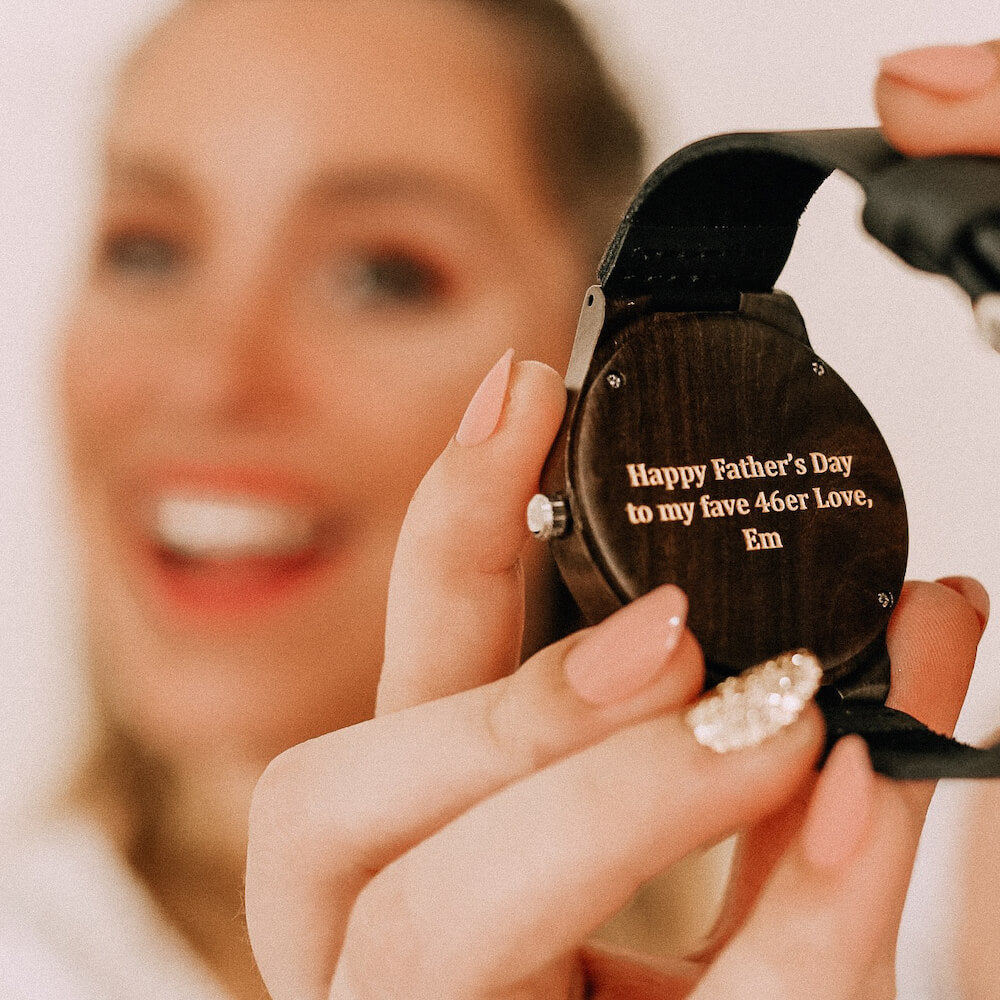
Treehut offers some of the best gold and silver watches under $500, with different movements and designs to suit a range of preferences. Custom engraving adds another personal touch, letting you mark the watch with a name, date, coordinates, or short message when it’s meant as a gift.
Frequently Asked Questions (FAQs)
-
Are gold watches more expensive than silver watches?
Not necessarily. A watch’s price depends on factors such as its materials, movement, construction, features, and finishing. A gold-colored watch may use a gold-tone finish rather than solid gold, so color alone isn’t a reliable indicator of price.
-
Does a gold or silver watch go with everything?
Neither color literally goes with everything. However, silver pairs easily with many neutral and cooler colors, while gold often works well with warmer palettes. The dial and strap also affect versatility.
-
Do gold-colored watches fade over time?
Some gold-colored finishes can show wear over time. The rate depends on the coating, base material, frequency of wear, friction, chemical exposure, and care. Follow the manufacturer’s cleaning instructions to avoid unnecessary damage.
-
Should a watch match a wedding ring?
No. Your watch doesn’t have to match your wedding ring. Matching metals can create consistency, but mixing gold and silver can work just as well when the pieces suit the rest of your outfit.
-
Is gold or silver better for an everyday watch?
Neither color is automatically better for everyday wear. Choose the one that works with your usual clothing, accessories, routine, and preferred level of visual contrast.