

Stainless steel watches are known for their strength, but adding natural wood changes both their look and how they age. When these two materials come together, wood and stainless steel watch durability depends on material quality, how the watch is made, and how it is worn over time.
Treehut combines steel with natural wood across many of its designs. So, how long can these watches actually last? Here, we look at what affects their lifespan, how they handle water, and the everyday habits that can help keep them in good condition.
Quick Answer: There is no fixed lifespan for a wood and stainless steel watch. A well-made watch can remain wearable for years when its movement, bracelet, clasp, seals, and wooden components are properly maintained. Its useful life depends on build quality, frequency of wear, exposure to water and impacts, and whether worn parts can be serviced or replaced.
What Makes a Wood and Stainless Steel Watch Durable?
Wood and stainless steel behave differently on the wrist, which is exactly why they can work well together. Looking at the role of each material makes wood and stainless steel watch durability easier to understand than treating a hybrid watch as simply an all-wood watch with metal added.
- Wood can reduce weight and gives every watch natural variation. Its density, grain, and hardness vary by species, so not every type of wood behaves in exactly the same way. How the wood is cut, prepared, and finished also affects its performance in a watch.
- Stainless steel adds strength where the watch needs it most. It works well for parts that undergo frequent handling and movement, including cases, clasps, links, and bracelet components. This gives manufacturers more flexibility than relying on wood for every part of the watch.
- A hybrid design can put each material to work in different areas. Steel can reinforce moving components, while wood can appear in links, bezels, dials, or inserts. Each material’s ability to perform its specific role matters more than which one is “stronger.”
- Assembly and finishing determine how well the combination works. Accurate joins help wood and steel sit securely together, while the finish protects the wood's surface. These details matter because even premium materials cannot make up for poor watch construction.
In a hybrid watch, the connection points between materials matter as much as the materials themselves. Pins, joins, links, and other transition points have to keep wood and steel working as one structure through repeated movement.
How Long Do Wood and Stainless Steel Watches Last?

There is no fixed number of years a wood-and-stainless-steel watch will last. Wood and stainless steel watch durability depends on the movement, replaceable components, build quality, and how the watch is worn and maintained.
A watch does not age as a single unit. The movement, crystal, clasp, bracelet, seals, and wooden elements perform different jobs, so one part may eventually need attention while the rest of the watch remains in good condition.
Appearance also tells only part of the story. Wood may develop changes in tone, while steel can pick up surface marks through regular use. Neither automatically means the watch has reached the end of its useful life.
The movement offers a good example. It may eventually require servicing even when the case and bracelet still look good. Likewise, a worn clasp, seal, or bracelet component may be replaceable without retiring the entire watch.
So, a watch’s useful lifespan depends partly on whether you can maintain its individual components as they age. With proper servicing, you can continue wearing a watch long after it shows its first visible signs of use.
What Can Affect the Lifespan of a Wood and Stainless Steel Watch?
Two identical watches can age very differently depending on where and how often they are worn. In practice, wood and stainless steel watch durability is shaped by repeated exposure to small stresses as much as by obvious accidents.
- Knocks and abrasion: A hard impact can dent wood, mark steel, crack the crystal, or affect the movement inside the case. Repeated rubbing against desks and other hard surfaces can also create gradual wear without a single memorable impact.
- Sweat and humidity: Swimming and rain are not the only ways your watch can come into contact with moisture. Sweat and humid air can regularly reach the bracelet and spaces between components, particularly in warm climates.
- Heat and prolonged sunlight: High temperatures can place stress on wood, finishes, adhesives, and other materials used in a watch. Direct sunlight can also affect the appearance of natural wood over time.
- Frequency and type of wear: People often choose stainless steel watches for everyday wear because the metal handles regular use well. With a hybrid design, however, the activities you do while wearing it matter too. Office use, travel, exercise, and manual work expose a watch to very different levels of contact and movement.
- Chemicals and personal-care products: Perfume, sunscreen, cleaning products, and other substances can come into contact with a watch during an ordinary day. Depending on the material and finish, repeated contact may affect surfaces over time.
- Sudden temperature changes: Moving repeatedly between very hot and cold environments can affect materials differently. It can also contribute to condensation if moisture finds its way inside the case.
Most wear develops gradually rather than from one dramatic event. The clasp, bracelet edges, crown, and case often show changes first, making them useful places to notice how the watch is responding to regular use.
Water Resistance of Wood Hybrid Watches: What You Need to Know
A steel case or bracelet does not make an entire hybrid watch equally resistant to water. The water resistance of wood hybrid watches depends on the complete construction, including the case, crown, crystal, seals, joints, and placement of the wooden components.
A water-resistance rating tells you how a watch performed under defined test conditions. However, the rating does not mean the watch can handle every activity involving water. The level of protection varies by model, so the specification for the individual watch matters more than the materials listed in its description.
The terminology can also cause confusion. Understanding waterproof vs. water-resistant watches helps clarify why water resistance always has limits. A resistance rating describes a degree of protection; it does not promise that water can never enter the watch.
Wood introduces another variable because it responds to moisture differently from stainless steel. A surface finish can provide some protection, but the properties of the underlying material remain different from metal. For this reason, the presence and placement of wood matter when considering how a hybrid watch handles moisture.
Water resistance can also change as a watch ages. Gaskets and seals may deteriorate, while damage to the crown, crystal, or case can affect the protection the watch originally provided. If water resistance matters for how you use your watch, its current condition matters alongside its original rating.
How to Protect Wood Watch From Moisture and Everyday Wear
Learning how to protect a wood watch from moisture does not require complicated upkeep. A few consistent habits can limit avoidable damage from sweat, splashes, heat, chemicals, and everyday impacts.
- Remove moisture soon after exposure. After a hot day, exercise, or an unexpected splash, wipe the watch with a soft, dry cloth. Check around the links and joins too, since moisture can remain there after the larger surfaces feel dry.
- Limit unnecessary contact with water. Follow the water-resistance guidance for your specific model, and remove the watch before activities that exceed those limits.
- Keep it away from prolonged heat. Do not leave the watch inside a hot car, beside a heater, or under strong sunlight for long periods. Heat can affect wood and finishes even when no immediate change is visible.
- Remove it before high-impact work. Moving furniture, handling tools, lifting heavy objects, or doing similar tasks increases the chance of knocks and abrasion. Taking the watch off for those jobs is simpler than trying to prevent every impact.
- Be mindful of products that reach your wrist. Sunscreen, perfume, lotions, cleaning products, and other substances can transfer onto the watch. Let personal-care products dry before putting it on, and wipe away residue rather than allowing it to build up.
- Store it separately when you are not wearing it. A watch box, case, or clean drawer protects the watch from moisture, direct sunlight, and accidental contact with keys or jewelry. A dedicated spot also reduces the chance of dropping or misplacing it.
The goal is not to keep a hybrid watch looking untouched. Regular wear will leave some evidence of use. Good care helps limit avoidable damage, making it easier to distinguish natural aging from a problem that may need attention.
What to Look for When Choosing a Durable Hybrid Watch
Once you know what affects longevity, you can use that information before buying. When comparing wood and stainless steel watch durability, look for specifications you can verify rather than relying on broad claims such as “built to last.”
- Clearly identified materials: Check whether the product description names the wood species and specifies where stainless steel is used. Specific material information tells you more than general terms such as “wooden” or “metal.”
- Visible construction details: Review close-up product images and specifications for the case, bracelet, links, and clasp. These can help you understand how the wood and steel are arranged and connected, although photographs alone cannot confirm build quality.
- A dependable movement: Find out what powers the watch and who makes the movement when that information is available. Also check whether the movement has specific servicing or battery requirements.
- A stated water-resistance rating: Look for a rating attached to the individual model rather than assuming every watch in a collection offers the same protection. Then consider whether that rating suits where you expect to wear it.
- Practical bracelet and clasp design: Consider how the watch adjusts, how the clasp closes, and whether it is possible to remove or replace the links. These details become more important after months of regular use than they may seem on the product page.
- Useful warranty coverage: Read what the warranty actually covers and for how long. A warranty has more value when you know whether it applies to the movement, manufacturing defects, or specific watch components.
- Access to replacement parts or repairs: Check what happens if a link, clasp, or other component eventually needs attention. A watch that can be repaired may offer a longer useful life than one with no practical route to replacing worn parts.
These checks help separate durability claims from evidence. A product page that clearly identifies materials, specifications, warranty terms, and care requirements gives you more useful information than a durability claim on its own.
Explore Treehut's Wood and Stainless Steel Styles

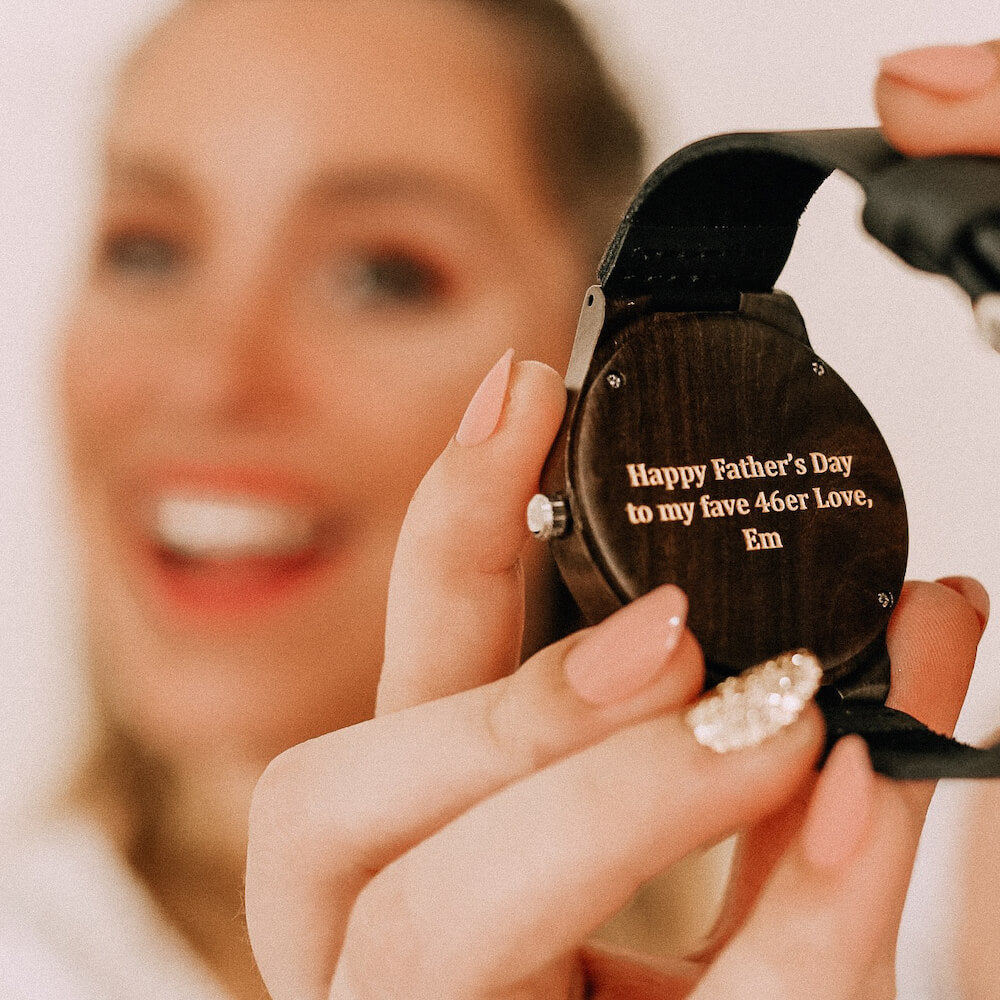
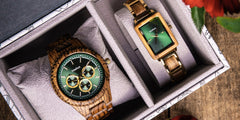
Treehut pairs stainless steel with woods such as walnut, ebony, maple, and zebrawood, creating options that range from deep, dark tones to lighter, more pronounced grain patterns. Designed in California, these watches let the natural character of the wood shape the look of each piece. Add a custom engraving, and the choice becomes even more personal– whether it marks a date, a place, or a message meant for one person.
Frequently Asked Questions (FAQs)
-
Do wooden watches crack easily?
A well-made wooden watch should not crack under normal wear, but wood is still a natural material. Hard impacts, prolonged moisture, and extreme environmental conditions can damage wooden components.
-
Can you remove scratches from a stainless steel watch?
Some light scratches can be reduced through professional refinishing or polishing, depending on the watch's finish. Brushed, polished, plated, and coated stainless steel require different treatment, so improper polishing can make the finish look uneven.
-
Do wooden watches change color over time?
Yes. Natural wood can gradually change in tone as it ages and encounters light, air, and skin oils. The amount of change depends on the wood species, finish, and how often you wear the watch.
-
Can you polish a wooden watch?
Wooden watch components should not be polished with ordinary metal polish. Some wood surfaces may benefit from manufacturer-approved conditioning or refinishing, but the correct method depends on the wood and its original finish.
-
Can a wooden watch be repaired?
Many wooden watches can be repaired, depending on which component is damaged and whether replacement parts are available. Links, clasps, movements, and some other components may be replaceable, while significant damage to an integrated wooden case can be more difficult to repair.