

A wallet tends to grow with whatever you put inside it. Add another card, keep a few receipts, tuck away some cash, and that once-manageable bifold starts claiming serious pocket space. That everyday buildup sits at the heart of the slim wallet vs. regular wallet debate: is extra storage genuinely useful, or does a smaller wallet make more sense for what you actually carry?
The answer becomes clearer when you look at what earns a place in your wallet each day. For some, extra compartments serve a real purpose; for others, slim wallets for men cover everything they use. Before choosing your next wallet from Treehut, it helps to know which approach actually fits the way you carry your essentials.
Minimalist Wallet vs. Regular Wallet: Key Differences
At a glance, the slim wallet vs. regular wallet difference comes down to how each design uses space. The table below shows what changes when a wallet prioritizes a smaller profile or additional storage.
|
Feature |
Minimalist Wallet |
Regular Wallet |
|
Profile |
Thin and compact |
Wider and thicker |
|
Card capacity |
Holds a smaller card selection |
Accommodates a larger card collection |
|
Cash storage |
Typically stores fewer or folded bills |
Often includes a full-length bill compartment |
|
Organization |
Uses a simple layout with fewer sections |
Provides separate compartments for different items |
|
Pocket space |
Occupies less room |
Takes up additional room |
The main tradeoff is simple: minimalist wallets prioritize a smaller footprint, while regular wallets dedicate more space to storage and separation.
What Are the Slim Wallet Benefits?

A smaller wallet changes more than the amount of space in your pocket. Carrying fewer everyday items can make your wallet easier to use, manage, and keep under control.
- Less bulk in your pocket. Slim designs reduce the layers of material surrounding your cards and cash. In the slim wallet vs. regular wallet comparison, that smaller footprint can make a noticeable difference throughout the day.
- Faster access to frequently used cards. A smaller card selection means less searching when you need to pay or show identification. The cards you use most stay within easy reach.
- Less room for clutter to accumulate. Receipts, expired cards, and old membership cards often remain simply because space allows them to. A slimmer format gives you a reason to clear out what you no longer use.
- Less weight to carry. Extra cards, paper, and wallet material add up quickly. A lighter setup can feel noticeably different when the wallet stays with you for hours.
- Simpler organization. Fewer compartments make it easier to give each slot a clear purpose. You can see what you have and find what you need quickly.
A thin wallet for men makes the most sense when most transactions and identification needs rely on a small set of cards.
When Is a Regular Wallet a Better Choice?

A regular wallet becomes useful when your daily essentials need separate storage. Extra space serves a clear purpose for people who regularly carry several cards, cash, or paper items.
- You rely on several cards and credentials. Payment cards, licenses, transit passes, workplace access cards, and membership cards may all be part of your week. Multiple slots keep them separated and easier to locate.
- You frequently pay with cash. A full-length bill compartment keeps notes flat and makes several denominations easier to manage. It also accommodates a larger number of bills than most compact cash sleeves.
- You need somewhere for receipts. Work travel, reimbursable expenses, and business purchases can leave you carrying receipts throughout the day. A dedicated compartment keeps those papers together until you can file them.
- You carry items that serve different purposes. Separate sections for payment cards, identification, cash, and work-related items can make a larger wallet easier to navigate. This structure helps when you use each category regularly.
So, when choosing a slim wallet vs. regular wallet for men, consider whether you would put those additional compartments to use throughout a typical day.
Does Wallet Size Matter for Front- and Back-Pocket Carry?
Yes, because front and back pockets give a wallet different amounts of space. In the slim wallet vs. regular wallet comparison, both the wallet's dimensions and its filled thickness affect where it fits best.
Front pockets tend to have less depth and room around the opening. A compact wallet can fit this space while leaving enough room for your hand and normal movement.
Back pockets usually accommodate wider bifolds and wallets with additional compartments. Their larger opening also makes broader designs easier to insert and remove.
However, the wallet's empty measurements tell only part of the story. Cards and folded bills add layers, while several cards stacked together can create thickness in one area.
Your clothing matters as well. Jeans, chinos, suit trousers, and shorts use different pocket shapes, depths, and openings, so the same wallet can fit differently across them.
For a useful slim wallet vs. regular wallet comparison, check the wallet's dimensions with your usual contents inside. Then compare that loaded profile with the pockets you use most often.
How to Choose the Best Wallet for Everyday Carry
Choosing the best wallet for everyday carry starts with knowing what the wallet needs to handle each day. From there, material, layout, and construction can help narrow your options.
Start With What You Actually Carry
Empty your current wallet and separate what you use regularly from what stays there out of habit. Include cards, identification, cash, receipts, and any work or transit passes.
Then count the items that make the cut. This gives you a practical capacity range. In the slim wallet vs. regular wallet decision, that number can quickly show whether you need compact storage or extra compartments.
Choose a Material for How You Use Your Wallet
Leather softens and develops a patina as it ages, which suits people who appreciate materials that change with use. Wood provides a firmer structure and natural grain variation.
Metal maintains a rigid form and can offer strong card protection. Meanwhile, fabric wallets tend to feel lighter and more flexible.
Also consider upkeep. Leather may benefit from occasional conditioning, while other materials have their own cleaning and care requirements.
Match the Layout to Your Habits
Think about what you reach for most often. If one payment card gets daily use, its slot should be easy to access.
An ID window can be useful if you regularly show identification. Likewise, a money clip or cash sleeve may suit someone who carries folded bills.
The number of compartments matters less than whether each one serves a purpose in your routine.
Check How the Wallet Is Built
Pay close attention to the areas that receive the most handling. Card-slot openings, fold points, corners, stitching, and hardware face repeated friction and pressure.
Stitching should remain even and secure, while card slots should grip cards firmly at their intended capacity. Edges and folds should also feel neatly finished and structurally sound.
Construction quality matters because these high-contact areas often determine how well a wallet holds up with regular use.
Explore Treehut's Slim Wallet Collection
If the slim wallet vs. regular wallet comparison has you leaning toward a smaller format, Treehut offers several options designed around compact everyday carry. The collection includes different layouts for cards, identification, and cash, with full-grain leather wallets that bring natural grain and texture to each design.
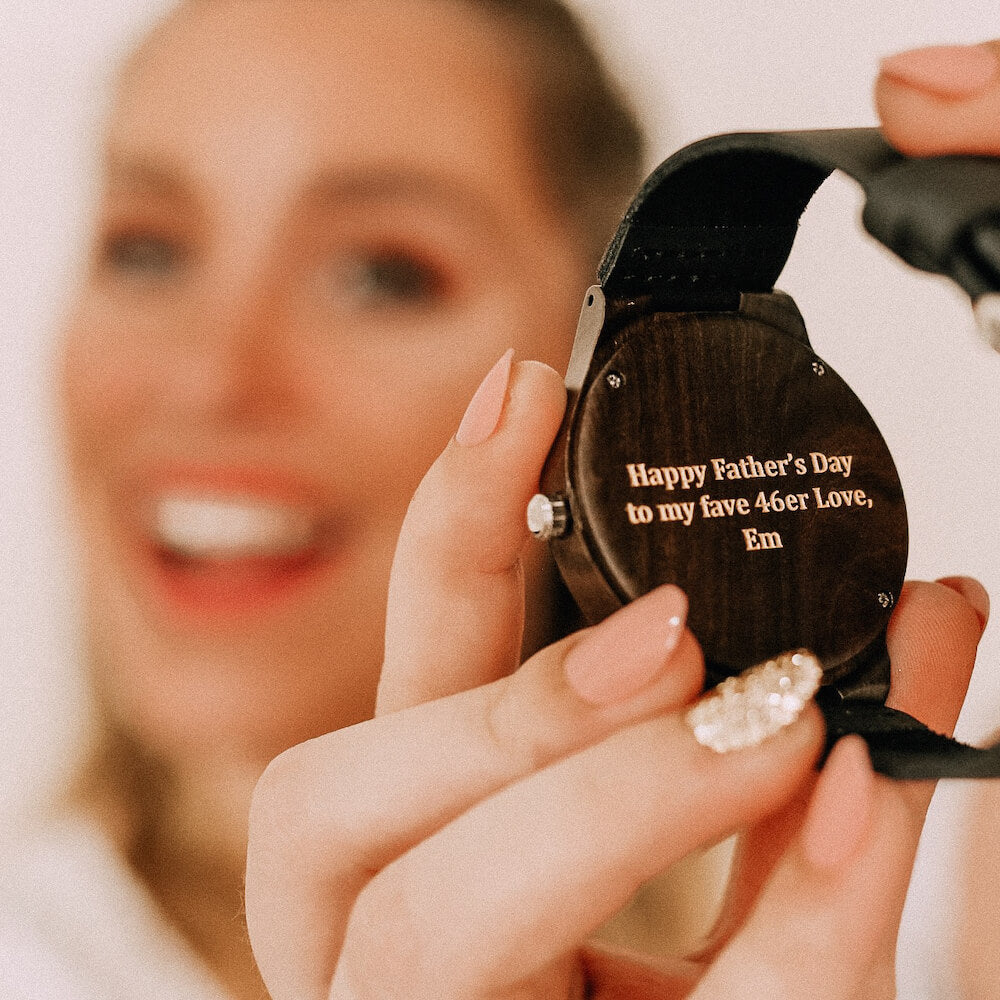
Made in California, these wallets combine quality materials with careful craftsmanship for an accessory that sees daily use. Every wallet can also be engraved with initials, a name, date, or personal message, adding meaning to something already practical.
That combination makes the collection especially fitting for gifting, whether you're marking an anniversary, birthday, or another important moment. Explore Treehut's slim wallets to find a design that suits how he carries his essentials and what you want the gift to say.
Frequently Asked Questions (FAQs)
-
How many cards can a slim wallet hold?
Slim wallet capacity varies by design, but most are built around a smaller selection of frequently used cards. Card sleeves generally hold fewer cards than slim bifolds, so check the stated capacity before buying. Also consider how many cards you regularly use, since adding extra cards increases the wallet's loaded thickness.
-
Do slim wallets damage credit cards?
Slim wallets generally do not damage credit cards when used at their intended capacity. Problems can arise from overfilled card slots, excessive bending, or hard objects pressing against the cards. A well-fitted wallet should hold cards securely while allowing you to remove them with reasonable ease.
-
Do you need RFID blocking in a wallet?
RFID blocking helps prevent compatible contactless cards from being read wirelessly while they remain inside the wallet. It addresses that specific type of scanning rather than broader risks such as card theft, online fraud, compromised payment terminals, or stolen card details.
-
What is the difference between a slim wallet and a card holder?
A slim wallet usually offers space for cards plus features for cash or identification, while a card holder primarily stores cards. Slim wallets may include bill compartments, money clips, or ID windows. Card holders generally use a simpler format designed around quick access to a small number of cards.
-
Do leather wallets stretch over time?
Yes, leather wallets can stretch slightly with regular use as the material softens and adapts to their contents. The amount varies by leather type, construction, and how tightly the wallet is packed. Avoid overfilling card slots, since excessive stretching can loosen their fit permanently.