

A watch can meet every trend and still spend most of its life inside a drawer. Learning how to choose a women’s watch. means thinking beyond appearance and considering how you will actually wear it.
Size affects how a watch sits on your wrist, while material and color shape its look and feel. Style brings those choices together. This Treehut guide will help you assess each factor before you buy wooden watches for women.
Quick answer: To choose a women’s watch, start with how and where it will be worn. Compare wrist size with the case diameter and lug-to-lug length, choose materials that suit the wearer’s comfort and care preferences, and select colors and design details that complement her existing wardrobe.
Women’s Watch Buying Guide: Start With Your Lifestyle
Before comparing case sizes or dial colors, decide what role your watch needs to play. When learning how to choose a women’s watch, your actual routine provides a better starting point than trends.
- Identify where you will wear it most. Think about the settings that make up your week. Work, weekends, travel, dinners, and special events can call for different levels of practicality and versatility.
- Decide how often you expect to wear it. A watch worn five days a week needs to work harder than an occasional piece. Frequent wear makes comfort and easy pairing more important.
- Consider what your day demands. Long commutes, frequent travel, desk work, and active weekends can influence what feels practical. Your normal schedule gives you a useful filter before you start comparing designs.
- Decide how noticeable you want your watch to be. Some people want a watch that supports the rest of their outfit. Others prefer one that becomes a clear focal point.
- Work out how much versatility you need. Women’s watches for everyday wear need to suit the different settings that make up your routine. If you already own several watches, however, choosing one for a specific setting can make more sense.
These questions define what you need before individual features enter the decision. With that foundation, you can assess size, material, color, and style against your actual use.
How to Choose Watch Size for Your Wrist

Watch sizing involves more than choosing a small, medium, or large case. If you’re learning how to choose a women’s watch, compare wrist size with the watch’s overall dimensions rather than case diameter alone.
- Measure your wrist first. Wrap a flexible measuring tape around the area where your watch normally sits. The measurement gives you a useful reference when comparing different watch dimensions.
- Check the case diameter. Brands usually measure round watch cases horizontally in millimeters. Larger diameters occupy more wrist space, while smaller diameters create a more compact appearance. Comparing 29mm, 34mm, and 38mm cases can show how a few millimeters change wrist presence.
- Look at the lug-to-lug length. This measures the distance from the top lugs to the bottom lugs. If the lugs extend beyond your wrist’s edges, the watch may look oversized or sit less securely.
- Account for case shape. Round, square, and rectangular cases distribute their dimensions differently. A square case can appear larger because its corners occupy additional wrist space.
- Consider strap width. A wider strap can make the overall watch appear larger, while a narrower strap reduces its perceived size. Therefore, compare the strap and case together rather than judging either measurement alone.
- Treat wrist-size recommendations as guidelines. A small wrist does not automatically require a small watch. Likewise, a larger wrist can still suit a compact case if you prefer that proportion.
If you’re shopping online, look for wrist photos alongside product measurements. Together, they provide a clearer sense of scale than product-only images.
Best Watch Materials for Women: Wood, Metal, Leather, and More
Different parts of a watch may use different materials, from the case and dial to the strap or bracelet. When considering how to choose a women’s watch, compare materials by weight, feel, care needs, and where they appear.
- Wood offers a lighter feel and visible grain. Depending on the design, brands may use wood in the case, bracelet, dial, or several components. Grain and tone naturally vary, so individual watches may not look identical to product photographs.
- Stainless steel offers strength and a consistent surface. Brands commonly use it for cases, bracelets, clasps, and other hardware. It handles regular wear well, although polished finishes can develop fingerprints and fine scratches.
- Leather mainly affects strap comfort and care. A leather strap usually becomes more flexible as you wear it. However, frequent exposure to water, sweat, and humidity can shorten its lifespan.
- Mother-of-pearl adds depth to the dial. Its iridescent surface reflects light differently as the viewing angle changes. Therefore, its appearance can shift throughout the day without changing the watch’s construction or fit.
- Marble and natural stone make pattern variation more noticeable. These materials often appear on watch dials or decorative surfaces. Veining and markings differ naturally, so expect some variation between the photographed watch and the piece you receive.
- Mixed-material designs combine different properties. A watch might pair a wooden case with metal hardware or a stone dial. Before choosing one, consider how each material affects the component where it appears.
The best watch material for women is not one universal material. Compare where each material appears, how it feels, and the care it requires before deciding what suits you.
How to Choose a Watch Color for Your Wardrobe
A color can look appealing on its own yet prove difficult to wear regularly. Part of learning how to choose a women’s watch is judging the whole color combination, not just the dial.
- Start with the jewelry you wear most. Gold-toned hardware can connect naturally with gold jewelry, while silver-toned details can do the same with silver. However, you do not need to match metals exactly, especially if you already mix them.
- Check your most-worn clothing colors. Look at what you actually wore during the past few weeks rather than your entire closet. Repeated colors give you a realistic picture of what the watch will need to work with.
- Decide whether you want versatility or contrast. Black, brown, metallic tones, and other neutrals can work across many outfits. A stronger color can create contrast instead, particularly if your wardrobe relies heavily on neutrals.
- Consider the watch as a color combination. The dial, case, hardware, and strap may introduce different tones. Look at how those colors work together before deciding whether the watch fits your wardrobe.
- Test stronger colors against real outfits. If you are considering blue, green, pink, or another prominent shade, picture it with several outfits you already wear. This simple check can reveal whether you genuinely like the color on your wrist.
- Coordinate without trying to match everything. A watch does not need to repeat the exact colors in your clothes or jewelry. Instead, look for colors that either relate naturally or create a deliberate contrast.
A good watch color should give you several realistic ways to wear it. That matters more than finding a perfect match for every outfit.
Types of Women’s Watches: Find Your Design Direction
Size, material, and color tell you what a watch is made from and how it fits. When considering how to choose a women’s watch, design style determines the overall impression those elements create.
- Minimalist watches reduce dial detail. Simple markers, limited text, and clean layouts keep the face visually uncluttered. This approach works well if you prefer accessories with fewer decorative elements.
- Classic watches follow established design conventions. Traditional hour markers, balanced dial layouts, and familiar case forms give them a recognizable appearance. They suit people who prefer traditional watchmaking cues over experimental design.
- Dress watches emphasize decorative detail. Polished accents, distinctive indexes, decorative dials, or jewelry-inspired elements can create a more formal appearance. They work particularly well when you want a watch that complements occasion dressing.
- Contemporary watches reinterpret familiar forms. Unusual case shapes, simplified displays, asymmetric details, or unexpected combinations can make a familiar accessory feel more current. Consider this direction if conventional watch designs rarely appeal to you.
- Statement watches make specific design features deliberately prominent. Bold dial layouts, oversized markers, unusual shapes, or strong detailing draw the eye quickly. They suit people who want their watch to play a noticeable role in an outfit.
These categories can overlap, so treat them as reference points rather than strict definitions. Focus on the design details you repeatedly prefer, since those preferences will guide your choice more reliably than a label.
How to Bring Size, Material, Color, and Style Together
Your preferred size, material, color, and style can each work individually without producing the right combination. Knowing how to choose a women’s watch means checking how those four elements affect one another.
A larger case, for example, does not always look dominant. Lighter tones, a narrow strap, and a simple dial can make its overall appearance less pronounced.
Likewise, a compact watch can still draw attention. Strong contrast, prominent markers, or detailed dial work can give a smaller design greater visual presence.
Next, consider which element leads the design. If the dial already has noticeable patterning, simpler surrounding details can keep the watch from looking crowded.
Contrast also needs balance. A distinctive dial can work well with restrained hardware, while several competing features may make it difficult to find a focal point.
Before buying, decide what you want to notice first. Then look at the remaining features and ask whether they support or compete with that choice.
This final comparison helps you judge the watch as one design. After all, you will wear the complete watch, not its specifications separately.
Choosing a Women’s Watch as a Gift
Buying a watch for someone else means making decisions she would normally make for herself. If you’re figuring out how to choose a women’s watch as a gift, her existing accessories can provide useful clues.
- Start with the accessories she wears repeatedly. Look beyond what she owns and focus on what actually gets worn. Delicate bracelets may suggest smaller proportions, while larger jewelry can indicate comfort with more noticeable accessories.
- Look for patterns in her metal choices. One gold necklace tells you little, but repeated gold, silver, or mixed-metal pieces reveal a stronger preference. Use that pattern when considering the watch’s hardware.
- Check the colors she uses in practice. Coats, bags, shoes, and frequently worn clothes offer better clues than a stated favorite color. They show which shades already have a place in her wardrobe.
- Notice whether she repeats the same accessory style. A collection of simple pieces suggests different preferences from one filled with decorative or unconventional designs. Repetition usually gives you more reliable information than one unusual item.
- Do not use the gift to reinvent her style. A watch should reflect the person receiving it, not the buyer’s idea of what she should wear. When uncertain, choose based on patterns you can actually observe.
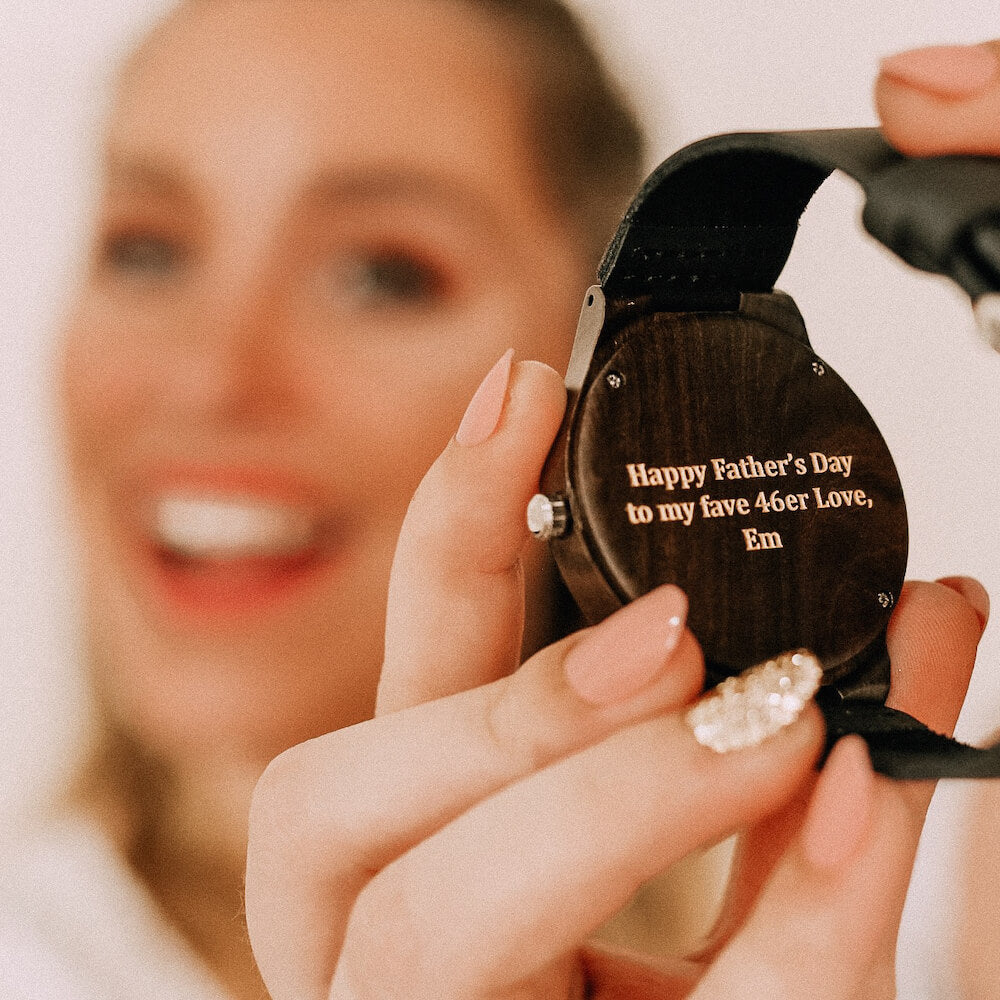
- Make personalization specific to your relationship. An engraving carries more weight when the reference already means something to both of you. A date, initials, coordinates, or a few personal words can work better than a generic message.
You do not need to guess every preference correctly. Instead, build the choice from patterns she has already shown you.
Finding the Right Women’s Watch for You

Knowing how to choose a women’s watch means looking for one that suits both your wrist and your day-to-day life. Treehut offers different sizes, natural materials, color combinations, and designs, giving you plenty of ways to find the right fit.
Wood, marble, and mother-of-pearl bring natural variation to the collection, while personalization can make a gift specific to the person receiving it. Treehut also offers affordable women’s watches, so you can weigh craftsmanship, personal preferences, and budget together.
Whether you are shopping for yourself or someone else, choose the watch that feels right for the person who will wear it.
Frequently Asked Questions (FAQs)
-
What wrist should a woman wear a watch on?
Most women wear a watch on their non-dominant wrist. Right-handed people often choose the left wrist, while left-handed people may find the right more comfortable. However, there is no rule requiring women to wear a watch on a particular wrist.
-
How should a women’s watch fit on the wrist?
A women’s watch should sit securely without squeezing the wrist or moving around excessively. The case should remain relatively centered, and the strap should feel comfortable during normal movement. If it leaves deep marks or constantly rotates, adjust the fit.
-
What size watch is best for a small wrist?
A smaller watch case often fits a small wrist well, but lug-to-lug length matters just as much as diameter. Case shape and strap width also affect how large the watch appears. Ideally, the lugs should remain within the edges of your wrist.
-
Can women with small wrists wear large watches?
Yes. Women with small wrists can wear larger watches if they like the proportions and the watch remains comfortable. Check the lug-to-lug length carefully, since long lugs can extend beyond the wrist and affect fit.
-
What watch color goes with everything?
Neutral watch colors such as black, white, silver, brown, and natural wood tones work with the widest range of outfits. Your most versatile option, however, will depend on the clothing colors and jewelry you wear most often.