

A wooden watch can be durable enough for regular wear, but its surface still encounters desks, doorframes, jewelry, and other hard objects. So, do wooden watches scratch during normal use? Yes. Wood can develop light scratches and scuffs, although the finish and type of contact affect how visible they become.
This Treehut guide explains what causes these marks on women’s watches, how to reduce them, and what to do when they appear.
Quick answer: Yes, wooden watches can develop light scratches and scuffs during regular wear. You can reduce them by keeping the watch away from hard objects, cleaning it with a soft, debris-free cloth, and storing it separately. Clean a mark before attempting any repair, and consult the manufacturer before sanding, polishing, or applying products to the wood.
Wooden Watch Durability: What Affects It Over Time?

If you’re wondering, “Do wooden watches scratch?” the answer depends partly on the wood, finish, construction, and frequency of wear.
Different wood species vary in density, so they do not respond to friction and impact in exactly the same way. The finish also matters because it can influence how readily everyday marks become visible.
Construction makes a difference as well. Some watches use wood across several components, while others combine it with metal, stone, or other materials. As a result, wear may appear differently across the same watch.
How often you wear the watch also affects its condition over time. Regular use naturally creates more opportunities for contact than occasional wear.
Durability is not only about avoiding visible marks. A light scratch may be cosmetic, while deeper damage can affect the wood itself.
What Can Scratch or Damage a Wooden Watch?
If you’re wondering, “Do wooden watches scratch?” normal wear can certainly leave marks over time. However, a watch also encounters impacts, moisture, heat, and other conditions that can affect more than its appearance.
- Hard surfaces can leave marks during normal movement. Desk edges, counters, walls, and doorframes may catch the case or bracelet. Repeated rubbing can gradually become visible even without one obvious incident.
- Loose storage can place harder objects against the watch. Keys, buckles, metal jewelry, and other watches may rub against wooden components, especially when items move inside a bag or drawer.
- Dirt and grit can act as abrasives. Small particles may settle on the watch or become trapped in a cleaning cloth. Wiping them across the wood can leave fine lines.
- Drops introduce impact rather than gradual wear. A hard landing may mark the wood or disturb connected hardware. The outcome depends partly on where and how the watch lands.
- Prolonged moisture exposure creates a different risk. Water can cause problems depending on the watch’s construction and water-resistance rating. This differs from the mechanical wear caused by rubbing or impact.
- Extreme heat and prolonged sunlight can alter wood or its finish. These conditions can become particularly intense inside parked cars or other enclosed spaces.
- Certain chemicals may react with the finish. Household cleaners, fragrances, and some cosmetics contain ingredients not designed for watch surfaces. Direct exposure can lead to discoloration or changes in the finish.
Knowing what caused a mark makes wooden watch care more straightforward. Friction, impact, moisture, heat, and chemical exposure each call for different precautions.
How to Protect a Wooden Watch During Wear and Storage
A few practical habits can reduce avoidable wear, especially if you use your watch regularly. Focus on limiting unnecessary exposure during wear, storage, and travel.
- Put your watch on after applying personal products. Let perfume, lotion, sunscreen, and similar products dry first. This keeps unnecessary residue away from the wood and finish.
- Remove it when an activity puts it at risk. Manual work, moving furniture, and certain sports or workouts can expose a watch to repeated knocks. Store it safely until you finish.
- Follow the watch’s water-resistance rating. Check the manufacturer’s specifications before swimming, showering, or exposing the watch to significant moisture. Do not make assumptions based on its materials alone.
- Give it a separate place when you take it off. Keep the watch away from keys, buckles, metal jewelry, and other hard objects. A lined compartment or watch box works well for regular storage.
- Keep the storage environment dry and moderate. Make sure the watch is dry before putting it away. Also, avoid prolonged direct sunlight, excessive humidity, and extreme heat.
- Use a protective compartment while traveling. Keep the watch separate from jewelry, chargers, and other belongings inside your luggage. A watch case can also help keep it secure during transit.
A few consistent habits can prevent avoidable wear without making ownership complicated.
How to Clean a Wooden Watch Without Harming the Finish
Do wooden watches scratch during cleaning? They can if dirt or grit gets trapped between the wood and your cloth. A careful cleaning method removes that debris without adding new marks.
- Start by removing loose particles. Check the case, bracelet, and areas around the hardware for visible debris. Otherwise, wiping trapped grit across the wood may leave fine lines.
- Choose a clean, soft cloth. Gentle wiping should handle routine dust and light residue. Avoid abrasive fabrics and excessive pressure, which can work debris against the finish.
- Keep moisture to a minimum. If the manufacturer allows a damp cloth, use only as much water as necessary. Soaking the watch will not make the cleaning process more effective.
- Take extra care around links and hardware. Residue can collect in narrow spaces where a cloth cannot easily reach. Avoid scraping those areas with pins, blades, or other sharp objects.
- Dry the watch after cleaning. Remove any remaining moisture with a clean cloth. Then let the watch dry fully before putting it away.
- Skip household wood treatments unless the manufacturer recommends them. Furniture polish, oils, waxes, and abrasive cleaners may not suit the watch’s finish. A product designed for furniture does not automatically belong on a watch.
Routine cleaning does not need to be complicated. If residue remains after gentle cleaning, check the manufacturer’s guidance before trying stronger products or more pressure.
How to Remove Scratches From a Wooden Watch
Not every visible mark means the wood needs repair. Before treating anything, determine whether you are looking at residue, a scuff, or an actual scratch.
- Identify what you are looking at. Dirt, transferred material, scuffs, and genuine scratches can resemble one another. Examine the area in good light before deciding what to do next.
- Clean the mark before attempting repair. Gentle cleaning may remove transferred residue or make a scuff disappear. Here, cleaning helps you identify the problem rather than treat the scratch itself.
- Assess shallow scratches carefully. A fine line may affect the finish without extending far into the wood. Check the manufacturer’s guidance before applying any product or attempting further treatment.
- Avoid sanding without specific guidance. Sanding removes material rather than simply hiding a scratch. It can alter the finish, contours, color, or engraving around a small wooden component.
- Do not attempt to disguise a deep scratch with fillers, markers, abrasives, or household wood products. These treatments can create uneven color or damage the surrounding finish. Ask the manufacturer or a watch professional for product-specific repair advice.
For minor scratches, doing less can often prevent a larger problem. If treatment requires removing wood or changing the finish, get product-specific advice first.
Can a Wooden Watch Crystal Get Scratched Too?

When asking, “Do wooden watches scratch?” it is worth remembering that wood is not the only exposed material. A mark on the front of the watch, for example, does not necessarily mean the dial itself is scratched.
People often use “dial,” “face,” and “crystal” interchangeably, but they refer to different parts. The dial displays the time, while the transparent crystal covers and protects it.
Because the crystal covers the dial, external scratches generally affect the crystal rather than the dial beneath it.
Crystal materials differ in scratch resistance, so the correct response depends on what your watch uses. Check the specifications before attempting to polish or treat a visible mark.
Most importantly, keep wood-care products away from the crystal. Oils, waxes, polishes, and abrasives intended for another material may leave residue or make the mark more noticeable.
Before trying to fix a scratch, identify which component actually has it. That distinction can prevent you from using the right treatment on the wrong material.
When Normal Wear Becomes Actual Damage
A wooden watch can develop surface scratches without being seriously damaged. However, deep marks, cracks, loose parts, and changes in stability may indicate a problem that needs attention.
- Fine marks are usually cosmetic. A shallow line that does not change the wood’s shape or stability may simply reflect regular use. Keep an eye on it rather than assuming it needs repair.
- Changes in the finish deserve a closer look. A worn area may differ in color or sheen without affecting the wood underneath. However, peeling or spreading deterioration may need professional attention.
- Deep scratches go beyond light surface wear. If a mark cuts noticeably into the wood, pay attention to its depth and location. Scratches near links or connection points deserve particular caution.
- Dents and chips point to a harder impact. These change the shape of the wood rather than just its appearance. Check the surrounding area for other signs of damage.
- Cracks need prompt attention. Pressure from continued wear can extend a crack, especially around links and connection points. Stop wearing the watch if the affected area feels unstable.
- Loose components indicate a functional problem. Unexpected movement around pins, clasps, links, or case connections should be checked before you continue wearing the watch.
- Moisture beneath the crystal requires attention. Condensation or visible water inside the watch is different from exterior wear. Drying the outside will not remove moisture trapped internally.
Depth, location, and stability often matter more than how noticeable a mark looks. A visible scuff may be less concerning than a small crack near a connection point.
More Ways to Make a Wooden Watch Your Own
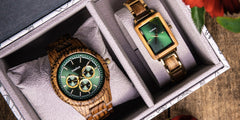
Treehut’s women’s collection goes beyond one interpretation of a wooden watch. Different proportions, dial colors, and combinations of wood, marble, mother-of-pearl, and metal give each design its own character. For shoppers drawn to luxury watches for women, these natural materials offer a different way to find something distinctive.
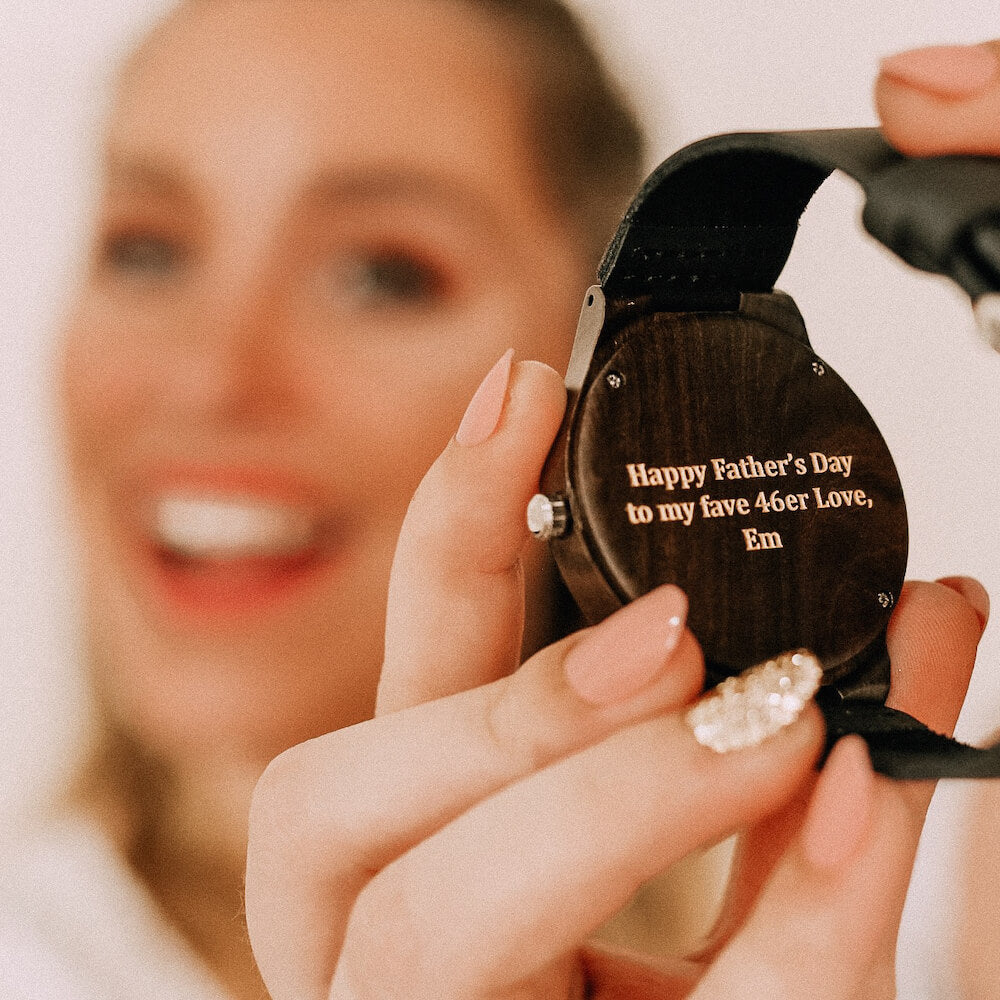
The collection also gives gift buyers the option to add an engraving to a wooden watch for women. Treehut’s personalized watches can connect a design you already like to a person, date, place, or memory.
Frequently Asked Questions (FAQs)
-
Are wooden watches waterproof?
Most wooden watches should not be assumed to be waterproof. Water resistance varies by model, so always check the manufacturer’s stated rating before swimming, showering, or exposing a watch to prolonged moisture.
-
How long do wooden watches last?
A well-made wooden watch can last for years, but there is no universal lifespan. Construction quality, frequency of wear, moisture exposure, impacts, maintenance, and the watch movement all influence how long it remains usable.
-
Can you replace the battery in a wooden watch?
Yes, batteries in many quartz wooden watches can be replaced. However, the correct battery and replacement method depend on the movement and construction. A watch professional or the manufacturer can handle the replacement if opening the case yourself could cause damage.
-
Can a wooden watch band be resized?
Many wooden link bracelets can be resized by adding or removing links. The exact method varies by design, so check the manufacturer’s instructions or have a watch professional adjust the bracelet if you are unsure.