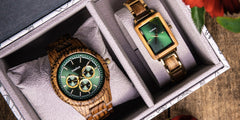


Most people focus on the frame first. That makes sense. Square shapes bring structure and definition right away. However, the lens color for square sunglasses does just as much work once you step outside. It controls contrast, brightness, and how the frame actually feels in natural light.
With Treehut, where real wood grain already adds texture to the design, the lens choice becomes even more noticeable. Choose the right tint, and everything feels aligned from the first wear.
Why Lens Color Changes the Look of Square Frames
Square frames already bring structure. However, the tint decides how that structure lands.
- Dark lenses increase contrast and make angles look stronger.
- Warm lenses soften edges and blend more naturally with skin tones.
- Cool lenses sharpen visual separation between frame and face.
- Mirrored finishes add movement because they react to light.
- Mid-tone lenses create balance between bold and relaxed.
Because square shapes carry presence, the lens color for square sunglasses either amplifies that presence or tones it down. Therefore, color choice shapes the overall impression before anyone notices the details.
Dark vs. Light Sunglass Lenses: What’s the Real Difference?

Before diving into specific shades, think about brightness. The difference between dark and light lenses affects daily comfort far more than most people realize.
-
Dark Lenses:
- Reduce intense glare during peak sunlight.
- Increase contrast on roads and reflective surfaces.
- Feel stronger against square, angular frames.
- Perform well in open landscapes and coastal settings.
- Maintain consistent clarity in high exposure.
-
Light Lenses:
- Handle moderate sunlight comfortably.
- Feel visually softer on structured shapes.
- Allow smoother transitions between indoor and outdoor light.
- Show more facial visibility during conversation.
- Pair easily with lighter wood tones.
When choosing the right lens color for square sunglasses, start here. Brightness levels shape the experience before color tone even enters the conversation.
Popular Lens Colors for Square Sunglasses
Now that brightness makes sense, specific shades become easier to compare. Each option carries a different visual weight and performance profile.
-
Gray
- Delivers true-to-life color perception.
- Works well in high brightness.
- Keeps square frames crisp and defined.
-
Brown
- Enhances depth perception.
- Warms up the overall look.
- Blends naturally with wood textures.
-
Green
- Balances contrast and color accuracy.
- Performs consistently across varied light.
- Feels adaptable across different settings.
-
Blue
- Adds cooler contrast against darker frames.
- Reflects sky tones in outdoor light.
- Feels modern and directional.
-
Mirrored Finishes
- Increase reflectivity in strong sunlight.
- Add visual movement as lighting shifts.
- Support environments with heavy glare.
The best lens color for square sunglasses depends on how these traits line up with real-world use. If glare bothers you often, start by narrowing options to polarized lens color sunglasses in the tint family you prefer. Once you understand the role each tint plays, selection becomes practical instead of random.
Square Sunglasses Lens Color Guide
Sometimes you just want the shortcut. Here’s the simplified breakdown.
- Spend hours driving in bright light → Choose gray or dark brown.
- Live in warmer climates → Choose polarized brown or green.
- Prefer cooler wardrobe tones → Choose gray or blue.
- Move between indoor and outdoor settings often → Choose mid-tone amber.
- Spend time near water or sand → Choose mirrored gray or blue.
This approach clarifies how to choose sunglasses for men by focusing on light exposure and daily routine. Once those align, the right lens color for square sunglasses becomes much easier to narrow down.
What to Consider Before You Decide
Before you settle on a color, think about how you’ll actually wear them.
- Skin tone plays a role. Brown and amber usually sit comfortably against warmer complexions. Gray and green often feel cleaner on cooler undertones.
- How often will they leave the house? If sunglasses stay in daily rotation, choose a tint that adapts easily. If they’re occasional, you can experiment more.
- Where do you spend most of your time? Bright coastal sun calls for darker polarized lenses. Mixed city light works well with balanced mid-tones.
- What does your closet look like? If you lean into neutrals, gray or green blends naturally. If you wear earth tones, brown or amber connects better.
- Do you prefer contrast or subtle transitions? Dark lenses create stronger definition. Mid-tones soften the overall effect.
When you look at these factors together, the right lens color for square sunglasses usually becomes clear.
Choosing the Right Lens With Treehut

At the end of the day, the right lens color for square sunglasses should feel aligned with how you move through the world. That decision becomes more interesting when material enters the picture.
Treehut builds its square frames from real wood, and that grain changes how each tint reads in natural light. Bamboo carries a lighter warmth. Ebony introduces deeper contrast. Because the frames are shaped and finished by hand, no two pairs look identical. That detail matters when lens tone meets natural texture.
Rooted in California, Treehut designs with sun in mind. Think coastal highways, long afternoon drives, and open skies that demand reliable glare control. The brand also keeps pricing accessible, so exploring affordable wooden sunglasses does not mean sacrificing construction or detail. When wood, light, and tint work together, the right lens color for square sunglasses feels clear the moment you step outside.
Frequently Asked Questions (FAQs)
-
What is the best lens color for square sunglasses?
The best lens color depends on lighting and daily use. Gray works well for bright sunlight and true color perception. Brown enhances contrast and depth. Green balances clarity and comfort. Choose based on where and how often you wear them.
-
Are dark or light lenses better for driving?
Dark lenses work better for driving in strong sunlight because they reduce glare and increase contrast. Gray and dark brown are especially effective on highways. However, mid-tone lenses perform well in mixed lighting conditions, such as early morning or late afternoon drives.
-
Do different lens colors affect vision clarity?
Yes, different lens colors affect contrast and depth perception. Gray maintains natural color accuracy. Brown enhances depth and improves contrast. Green balances brightness and clarity. Therefore, the right tint can improve visual comfort depending on your environment.
-
Which lens color works best in bright sunlight?
Gray and dark brown lenses perform best in bright sunlight. They reduce brightness while maintaining clear visibility. Mirrored lenses also help in high-glare environments, especially near water or sand.
-
Does lens color change how sunglasses look on your face?
Yes, lens color changes visual contrast against your skin and frame. Dark lenses create sharper definition. Warm tones soften facial contrast. Cool tones increase separation between frame and complexion. The tint influences the overall presence of square frames.
-
How do I choose the right lens color for my skin tone?
Choose warm lenses like brown or amber for warmer undertones. Select gray or green for cooler undertones. Test the frame in natural light to see how the tint interacts with your complexion. Lighting makes a noticeable difference.