

Choosing between an open heart vs. skeleton watch usually comes down to how much of the movement you want to see. Both designs reveal the beauty of mechanical watchmaking, but they create very different impressions on the wrist. An open heart watch feels refined and understated, while a skeleton watch feels bold, intricate, and expressive.
An open heart watch reveals a small portion of the movement – typically the balance wheel – while a skeleton watch exposes most or all of the mechanism through a cut-away dial. Open heart watches prioritize elegance and readability, while skeleton watches highlight mechanical artistry and intricate design.
At Treehut, we craft automatic watches in both styles, each designed to celebrate the beauty of traditional watchmaking while reflecting a distinct personality and aesthetic.
Let’s take a closer look at how these styles differ and which one may be right for you.
Open Heart vs. Skeleton Watch: Key Differences
This table offers a clear comparison when considering an open heart vs. skeleton watch.
|
Feature |
Open Heart Watch |
Skeleton Watch |
|
Visibility |
Partial view (balance wheel only) |
Full movement exposed |
|
Style |
Subtle and elegant |
Bold and mechanical |
|
Readability |
High |
Moderate to low |
|
Aesthetic Appeal |
Clean with a hint of movement |
Intricate and detailed |
|
Ideal Wearer |
Thoughtful, refined |
Adventurous, expressive |
What Is an Open Heart Watch?

An open heart watch features a small cut-out on the dial that exposes the balance wheel, a key component that regulates time. Often positioned near the 6 or 9 o’clock marker, this opening offers a glimpse into the movement without fully revealing the watch’s internal mechanism.
When comparing an open heart vs. skeleton watch, the open heart design takes a more restrained approach. Rather than showcasing the entire movement, it highlights a single mechanical element while preserving a clean, easy-to-read dial.
Most open heart watches are automatic, powered by the natural motion of the wearer. The visible balance wheel – often called the "heart" of a mechanical watch – creates a connection between the wearer and the craftsmanship behind the timepiece.
This connection is central to the open heart watch meaning. For many enthusiasts, the design represents transparency, precision, and an appreciation for traditional watchmaking. It's no surprise that many of the best open heart watches combine this visible mechanical detail with timeless design and everyday wearability.
Open Heart Watch Meaning: Why the Design Matters
An open heart watch meaning often comes from the visible balance wheel, which is commonly seen as the “heart” of the watch. Because this moving part helps regulate time, the design can symbolize precision, transparency, motion, and appreciation for traditional craftsmanship. For gift buyers, an open heart watch can feel especially meaningful because it offers a visible reminder of time, movement, and personal connection.
What Is a Skeleton Watch?

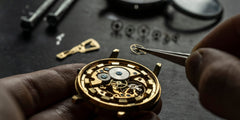
A skeleton watch provides a full view of the internal movement. Much of the dial and supporting materials are cut away to expose the gears, bridges, springs, and other components that power the watch. Many designs also feature transparent case backs, allowing the movement to be viewed from both sides.
The skeleton design takes a more dramatic approach than an open heart watch. Rather than revealing a single part of the movement, it places the entire mechanism on display, turning the watch itself into a showcase of engineering and craftsmanship.
Most skeleton watches are automatic, with the visible rotor adding movement and character to the design. Because so much of the mechanism remains exposed, these watches often feature enhanced finishing and decorative details that transform functional components into visual focal points. Creating a skeleton watch also requires additional engineering, as material must be carefully removed without compromising the movement's structural integrity.
The result is a timepiece that celebrates mechanical artistry in its purest form. While readability can sometimes take a back seat to aesthetics, many enthusiasts consider that trade-off worthwhile for the opportunity to appreciate the movement in action.
Open Heart vs. Skeleton Watch: Which Is Better?
When considering an open heart vs. skeleton watch, there is no universal winner. The better choice depends on what matters most to you.
If readability and everyday versatility are your priorities, an open heart watch is often the stronger option. Its traditional dial layout makes it easy to read while still offering a glimpse into the movement.
If mechanical artistry is your focus, a skeleton watch delivers a more immersive experience. The exposed gears, bridges, and rotor showcase the craftsmanship behind every movement.
Ultimately, open heart watches tend to favor practicality and elegance, while skeleton watches emphasize visual impact and engineering detail.
Open Heart vs. Skeleton Watch: Which One Fits Your Style?
Choose an Open Heart Watch If…
- You prefer a clean, timeless design.
- You want a watch that's easy to read every day.
- You appreciate subtle details over bold statements.
- You value versatility for both casual and formal occasions.
- You enjoy mechanical craftsmanship without overwhelming the dial.
Choose a Skeleton Watch If…
- You love seeing the mechanics in motion.
- You enjoy bold, conversation-starting accessories.
- You appreciate intricate craftsmanship and engineering.
- You want a watch that stands out on the wrist.
- You enjoy designs that showcase every detail of the movement.
These differences can help you choose the watch style that fits your daily routine, personal taste, and gift-giving occasion.
Why Treehut Makes the Difference in Every Detail
Choosing between an open heart vs. skeleton watch is more than selecting a style – it's about matching a design to your values. Each watch reveals craftsmanship in its own way. One invites a closer look through quiet detail. The other opens everything up with bold structure.
At Treehut, we offer a wide selection of luxury automatic watches in both open heart and skeleton styles. Every piece is handcrafted in our San Francisco workshop using sustainably sourced wood, stainless steel, and premium materials.
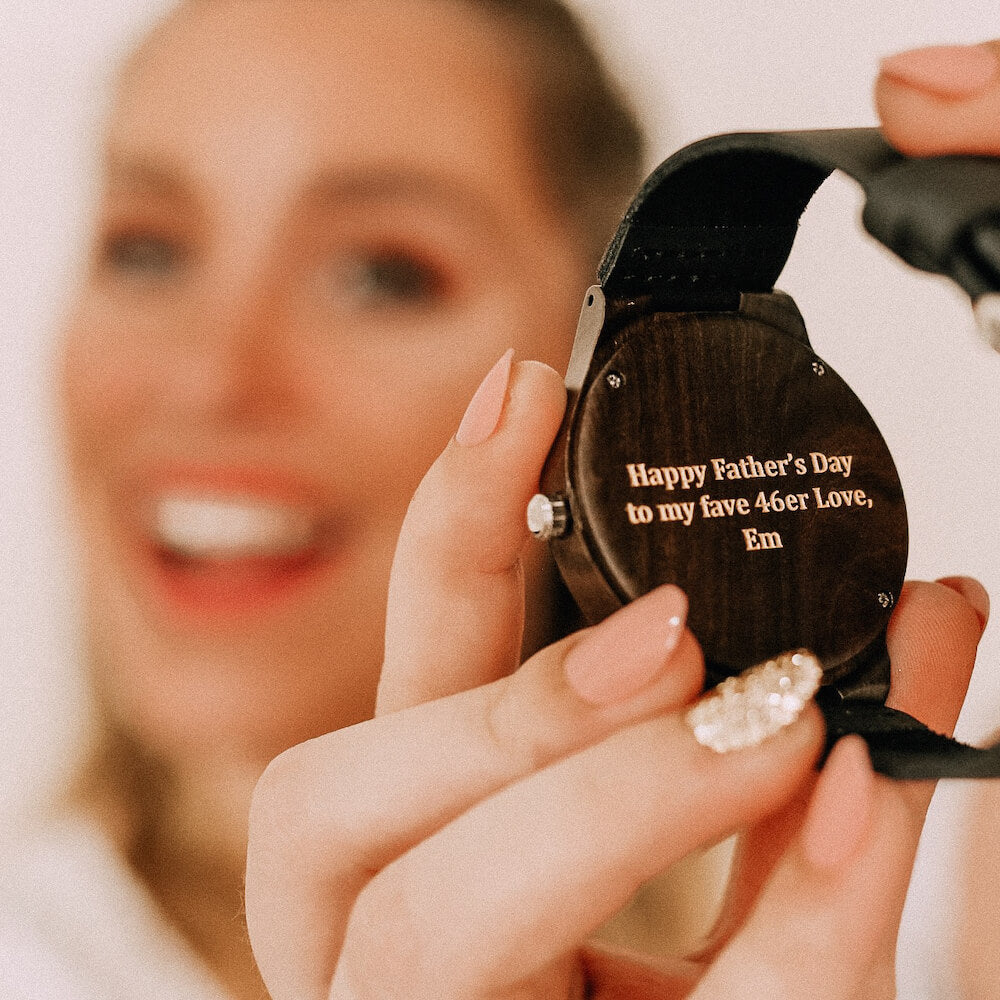
You can make your gift even more personal with custom engraving. A name, date, or short message turns your watch into a lasting reminder of a meaningful moment.
Whether you're celebrating a milestone, marking a personal achievement, or simply investing in something well-made, Treehut delivers more than style. Our timepieces reflect care, intention, and attention to detail.
Explore our collection of the best automatic watches and find the design that feels right for you. Let Treehut help you mark time with something personal and lasting.
Frequently Asked Questions (FAQs)
-
Are open heart watches always automatic?
No, open heart watches are not always automatic. An open heart watch refers to a dial design that exposes the balance wheel, while the movement can be automatic or manual-wind. However, most modern open heart watches use automatic movements powered by the natural motion of the wearer's wrist.
-
Are skeleton watches harder to read?
Yes, skeleton watches can be harder to read than traditional watches. Because much of the dial is removed to showcase the movement, the hands and markers may be less visible. Many modern skeleton watches improve readability with contrasting hands and hour markers.
-
Is an open heart watch better for everyday wear?
An open heart watch is often better for everyday wear because it combines mechanical craftsmanship with a clean, easy-to-read dial. Its balance of style, readability, and versatility makes it a practical choice for both casual and professional settings.
-
What is the main difference between an open heart watch and a skeleton watch?
The main difference between an open heart watch and a skeleton watch is movement visibility. An open heart watch reveals only part of the movement, typically the balance wheel, while a skeleton watch exposes most or all of the internal mechanism through a cut-away dial.
-
Are skeleton watches worth it?
Yes, skeleton watches are worth it for those who appreciate mechanical watchmaking and visible craftsmanship. Their exposed movements showcase the intricate engineering behind the watch, making them popular among enthusiasts who value design and horological artistry.