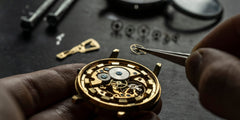


At first glance, a mechanical timepiece simply shows the time. Look closer, though, and something far more interesting appears. Beneath the dial, a tiny system of gears and springs keeps everything moving. That discovery usually leads to a simple question: what is a mechanical watch and how does it actually measure time?
Many people first notice this craftsmanship while looking at pieces from brands like Treehut. The design may catch the eye at first, but sooner or later attention shifts to the small machine quietly working beneath the dial.
What Makes It Different?
The easiest way to understand what is a mechanical watch is to look at how it creates energy and turns that energy into motion. Instead of relying on electronics or batteries, these timepieces run entirely through mechanical movement. Watchmakers have refined this system for centuries. Inside the case, springs store energy while gears transfer that energy through the movement. Every part plays a role in keeping the watch running.
Key characteristics include:
- Energy stored in a mainspring: A thin coiled spring sits inside the movement. Turning the crown tightens the spring, storing energy that releases gradually over time.
- A network of interconnected gears: Several gears transfer that stored energy through the movement. Each wheel rotates at a controlled speed that ultimately moves the hands.
- Continuous mechanical motion: Springs unwind slowly while gears rotate in sequence. Meanwhile, regulating components keep the motion steady.
- Watchmaking craftsmanship: Watchmakers assemble these small parts with care. Precise alignment and lubrication allow the movement to run smoothly.
Together, these parts reveal what is a mechanical watch in its simplest form: a compact machine designed to measure time through motion.
Mechanical Watch Movement Explained: What Powers the Watch

Once people start exploring what is a mechanical watch, curiosity usually leads straight to the movement. In watchmaking, the movement refers to the internal system that powers the watch. Looking inside the movement shows how several small components work together to keep time.
Important components include:
- Mainspring: The mainspring stores energy inside a small barrel. When wound, the spring tightens and holds that energy.
- Gear train: A series of connected wheels transfers energy through the movement. Each wheel rotates at a different speed to measure seconds, minutes, and hours.
- Escapement: The escapement releases energy from the gear train in small pulses. This controlled release creates the familiar ticking sound.
- Balance wheel: The balance wheel swings back and forth at a steady rate. Each swing helps regulate the watch’s timing.
- Jewels: Synthetic jewels reduce friction between moving parts. This helps the movement run smoothly and last longer.
Together, these components form the internal system that keeps the watch running.
Mechanical Watch Mechanism: How the Parts Work Together
Understanding the parts helps, but the real picture appears when those parts begin working together. At this point, many people start wondering how does a mechanical watch work during everyday use.
The answer lies in how energy moves through the movement in a steady sequence.
- Energy storage: Turning the crown tightens the mainspring. This stores potential energy inside the spring.
- Energy transfer through the gear train: The mainspring slowly releases tension. That energy moves through the gear train, turning each wheel in sequence.
- Controlled release through the escapement: The escapement interrupts the gear train repeatedly, releasing energy in small, measured pulses.
- Regulation by the balance wheel: The balance wheel swings back and forth at a steady rhythm, helping maintain consistent timing.
- Display of time: The gear train moves the watch hands across the dial, translating internal motion into readable time.
This chain of motion explains what is a mechanical watch in practice. Every second begins with stored energy released in controlled steps.
Manual and Automatic: Two Ways It Stays Running
As people learn what is a mechanical watch, they quickly discover that they usually come in two types. Both rely on the same mechanical principles, but they differ in how the mainspring receives energy.
The two primary types include:
-
Manual watches
- The wearer winds the crown to tighten the mainspring.
- Stored tension powers the movement.
- Many enthusiasts enjoy the small daily ritual of winding.
-
Automatic watches
- A rotor inside the case moves with wrist motion.
- This rotating weight winds the mainspring automatically.
- Regular wear keeps the watch powered throughout the day.
These variations show how these timepieces can run either through manual interaction or natural movement.
Why Craftsmanship Draws People Toward Mechanical Watches
Most people first ask what is a mechanical watch, but the real interest often begins after seeing the movement itself. Turn the watch over and watch the mechanism for a few seconds. Gears rotate. The balance wheel swings back and forth. Suddenly the watch feels less like an accessory and more like a tiny machine doing its job.
Several qualities continue to draw people in:
- Visible mechanics: Some watches include transparent case backs, allowing owners to see gears turning and the balance wheel oscillating.
- Careful assembly: Watchmakers position each component with precision. Even small adjustments affect how smoothly the movement runs.
- Long operating life: With proper servicing, they can run for decades. Many vintage pieces still keep time today.
- Watchmaking tradition: Mechanical watches reflect techniques passed down through generations of watchmakers.
These details explain why mechanical watches continue to attract enthusiasts. The movement inside shows the patience and skill involved in building each piece.
What to Know Before Choosing One
Before choosing a mechanical watch, it helps to understand how these timepieces fit into everyday life. Many people begin by asking what is a mechanical watch, then start thinking about the small habits that come with owning one.
A few practical details are worth keeping in mind:
- Accuracy expectations: Mechanical watches keep steady time, though small variations can appear over several days.
- Routine servicing: Occasional servicing keeps the movement running smoothly. Watchmakers clean, lubricate, and adjust internal parts.
- Daily interaction: Manual watches require regular winding, while automatic models stay powered through wrist movement.
- Long operating life: With proper care, mechanical watches can continue running for many years.
These habits often become part of everyday life for mechanical watch owners.
How Treehut Approaches Mechanical Watches

After learning what is a mechanical watch, it becomes easier to notice the details that make these timepieces interesting. The movement inside shows how gears, springs, and wheels work together to keep time moving forward.
That same appreciation often carries over when people explore Treehut’s watches. Inspired by California’s outdoor landscapes, the brand uses natural wood materials and focuses on sustainability. These pieces can also be engraved, allowing people to add a personal message that turns the watch into something meaningful.
For those exploring luxury automatic watches, Treehut offers designs that combine mechanical movements with distinctive materials. Inside the case, gears and springs keep time moving forward. On the wrist, the watch often becomes part of the moments people remember.
Frequently Asked Questions (FAQs)
-
What is a mechanical watch and how is it different from quartz?
A mechanical watch runs using a mainspring and a system of gears, while a quartz watch uses a battery and electronic oscillator. Mechanical watches rely on physical movement, which gives them a different feel and craftsmanship appeal.
-
How does a mechanical watch work?
A mechanical watch works by storing energy in a wound spring. That energy moves through a series of gears and is released in controlled intervals by the escapement, which keeps time steady.
-
Do mechanical watches need batteries?
No, mechanical watches do not use batteries. They run on stored energy from a mainspring, which is powered either by manual winding or wrist movement.
-
Are mechanical watches accurate?
Mechanical watches are generally accurate for daily use, but they may gain or lose a few seconds per day. This variation is normal due to the nature of mechanical movement.
-
What is the difference between manual and automatic watches?
Manual watches need to be wound by hand to store energy. Automatic watches wind themselves using a rotor that moves with your wrist throughout the day.
-
How long do mechanical watches last?
With proper care and regular servicing, mechanical watches can last for decades. Many vintage mechanical watches are still functioning today.
-
Are mechanical watches worth it?
For many people, mechanical watches are worth it because of their craftsmanship, longevity, and the experience of owning a finely made piece of engineering.