

When choosing an accessory you'll use every day, one question eventually outweighs the rest: How well will it last? That's why cactus leather vs. genuine leather has become an increasingly common comparison, especially among shoppers looking for Apple Watch bands for women and other everyday accessories. Treehut encourages buyers to look beyond appearance and understand how different materials perform before making a decision.
Although both materials can offer lasting quality, durability depends on much more than the leather itself. Construction, protective finishes, and regular maintenance all influence how an accessory ages over time. Understanding those differences makes it easier to choose the option that best suits your lifestyle and expectations.
Quick answer: Cactus leather is a lightweight, plant-based option that works well for shoppers who want easy maintenance and a consistent finish. Genuine leather is a traditional material valued for long-term aging, repair potential, and the natural patina it develops over time.
What Is Cactus Leather and How Does It Compare to Genuine Leather?

Every discussion about cactus leather vs. genuine leather begins with understanding what makes these materials different. Although they may look similar, they vary in how they're made, how they age, and how they perform over time.
Cactus leather comes from mature prickly pear cactus leaves that farmers harvest while allowing the plant to continue growing. Manufacturers process the fibers and apply protective finishes to improve flexibility and durability, creating a lightweight material suitable for a range of accessories. Unlike traditional PU leather, which relies primarily on synthetic materials, cactus leather incorporates plant-based content into its construction.
Genuine leather, by contrast, comes from animal hides that undergo tanning and finishing. Premium varieties, particularly full-grain leather, are valued for their strength because they retain the hide's natural grain. As the leather ages, it gradually develops a patina – a natural change in color and texture that many people appreciate.
The way these materials are produced also shapes their overall appeal. Cactus leather offers a consistent finish and uses a renewable source that requires relatively little water to grow. Genuine leather draws on generations of craftsmanship, although its environmental impact varies depending on sourcing and tanning practices.
When comparing cactus leather vs. genuine leather, neither material is inherently better. The right choice depends on whether you value consistency and lower maintenance or appreciate natural variation and the character that develops with age.
Is Vegan Leather Durable? Here's What Really Determines Longevity
Yes – but durability depends on several factors beyond the material itself. Many people assume all vegan leather performs the same. In reality, durability varies significantly depending on the material and manufacturing process. A product's lifespan is influenced by its composition, how it's made, and how it's maintained over time. That's why evaluating an accessory requires looking beyond labels. The same approach applies when comparing cactus leather vs. genuine leather.
- Material composition: Plant-based leather includes a variety of formulations, and each performs differently. Premium compositions generally offer greater flexibility and improved resistance to regular wear.
- Manufacturing standards: Precise production creates a stable foundation for the accessory. As a result, well-made products are less likely to develop weak points over time.
- Construction quality: Strong stitching, reinforced stress points, and dependable hardware all contribute to long-term reliability. Even premium materials benefit from careful assembly.
- Protective finishes: Surface coatings help reduce scratches, light moisture exposure, and everyday marks. Their effectiveness plays a key role in preserving the accessory's appearance.
- Usage habits: Accessories experience constant movement, friction, and handling throughout their lifespan. Designs created for frequent use account for those demands from the beginning.
- Environmental conditions: Heat, humidity, and prolonged sunlight gradually affect many materials. Proper storage helps preserve both appearance and structural integrity.
- Care and maintenance: Gentle cleaning removes accumulated dirt and natural oils before they settle into the surface. Following the recommended care instructions also helps extend an accessory's lifespan.
Considering these factors together provides a clearer picture of durability. Rather than focusing on the material alone, evaluating the complete product offers a better indication of how well it will perform over time.
Cactus Leather Durability: How It Performs in Everyday Use
When comparing cactus leather vs. genuine leather, real-world performance often matters most. Cactus leather has become a popular choice for everyday accessories because it combines flexibility, comfort, and relatively simple maintenance. Here's how it typically performs with regular use.
- Flexibility: Wrist straps, wallets, and bracelets bend repeatedly throughout their lifespan. Well-crafted cactus leather adapts to that movement while helping the accessory retain its shape.
- Scratch resistance: Protective finishes help minimize visible scuffs from everyday handling. While sharp objects can still leave marks, routine use generally has little impact on the surface.
- Water resistance: Brief exposure to rain or accidental splashes is usually manageable. Drying the accessory promptly afterward helps preserve its appearance and condition.
- Comfort and breathability: Its lightweight construction and breathable design make cactus leather comfortable for extended wear. These qualities make it an excellent choice for a vegan leather watch band, as well as other accessories worn throughout the day.
- Uniform finish: Since manufacturers control the production process, cactus leather offers a consistent look across products. That uniformity appeals to buyers who prefer a clean, polished appearance.
- Expected lifespan: A well-made cactus leather accessory can provide years of reliable use when paired with quality construction and appropriate care. As with any material, longevity depends on both craftsmanship and how the accessory is used.
Overall, cactus leather offers a practical balance of comfort, durability, and simple upkeep. Understanding how it performs in everyday situations makes it easier to compare its strengths with those of genuine leather.
Genuine Leather: Durability, Maintenance, and Best Use Cases
Comparing cactus leather vs. genuine leather also means understanding why genuine leather has remained popular for generations. Its natural fiber structure, ability to age gracefully, and repair potential continue to appeal to buyers who appreciate traditional craftsmanship.
- Longevity: Genuine leather can remain in excellent condition for many years with consistent maintenance. Its dense fiber structure helps it withstand frequent use.
- Natural patina: Exposure to sunlight, movement, and natural oils gradually deepens the leather's color and texture. This gradual aging process, known as a patina, gives each piece a distinctive appearance that reflects years of use.
- Repair potential: Professional restoration can address many scratches, scuffs, and worn areas. This repairability often extends the usable life of leather accessories.
- Conditioning: Periodic conditioning helps maintain flexibility while supporting the leather's natural resilience. A simple maintenance routine also helps preserve its appearance.
- Storage: Cool, dry conditions help leather retain its shape and finish. Allowing air circulation during storage also contributes to its long-term condition.
- Why people choose it: Many buyers appreciate genuine leather for its natural texture, evolving appearance, and connection to traditional craftsmanship.
For many people, maintaining genuine leather becomes part of the ownership experience rather than a chore. That ongoing relationship is one of the clearest differences between cactus leather and genuine leather, giving each material its own distinct appeal.
Cactus Leather vs. Genuine Leather: Which Is Right for You?
When comparing cactus leather vs. genuine leather, the best choice depends on how you plan to use the accessory. Both materials offer distinct advantages, making your lifestyle, maintenance preferences, and personal taste the deciding factors.
|
Feature |
Cactus Leather |
Genuine Leather |
|
Durability |
Performs well during regular use with proper maintenance |
Offers excellent longevity with consistent conditioning |
|
Weight |
Lightweight and comfortable |
Slightly heavier with a substantial feel |
|
Comfort |
Flexible from the beginning |
Softens gradually through use |
|
Maintenance |
Simple cleaning routine |
Benefits from periodic conditioning |
|
Water Resistance |
Handles light moisture well |
Performs best with moisture protection |
|
Appearance Over Time |
Maintains a consistent finish |
Develops a natural patina |
|
Sustainability |
Uses renewable plant-based resources |
Depends on sourcing and tanning methods |
|
Ideal For |
Buyers who prefer lightweight accessories with simple maintenance |
Buyers who appreciate natural aging and traditional craftsmanship |
Neither material offers a one-size-fits-all solution. If lighter weight and easy upkeep are your priorities, cactus leather is a practical choice. If you enjoy an accessory that develops character through years of use, genuine leather remains a compelling option. Understanding those differences helps you choose the material that best matches your lifestyle and expectations.
How to Make Cactus Leather and Genuine Leather Last Longer
Both cactus leather and genuine leather last longer when they are cared for properly. Avoid soaking either material, and wipe away moisture as soon as possible after light rain or splashes. For cactus leather, use a soft, slightly damp cloth to remove dirt and surface oils. Avoid harsh cleaners, alcohol-based products, and prolonged direct sunlight.
Genuine leather benefits from occasional conditioning to maintain flexibility and prevent dryness. Store both materials in a cool, dry place when not in use, and avoid leaving watch bands or accessories in hot cars, damp bathrooms, or direct sun for extended periods. Simple care habits can make a noticeable difference in how well each material ages.
Crafted to Last, Designed With Purpose

Understanding cactus leather vs. genuine leather helps you make a more informed decision when choosing an accessory you'll use for years. While each material offers its own advantages, long-term durability ultimately depends on thoughtful design, quality construction, and proper care.
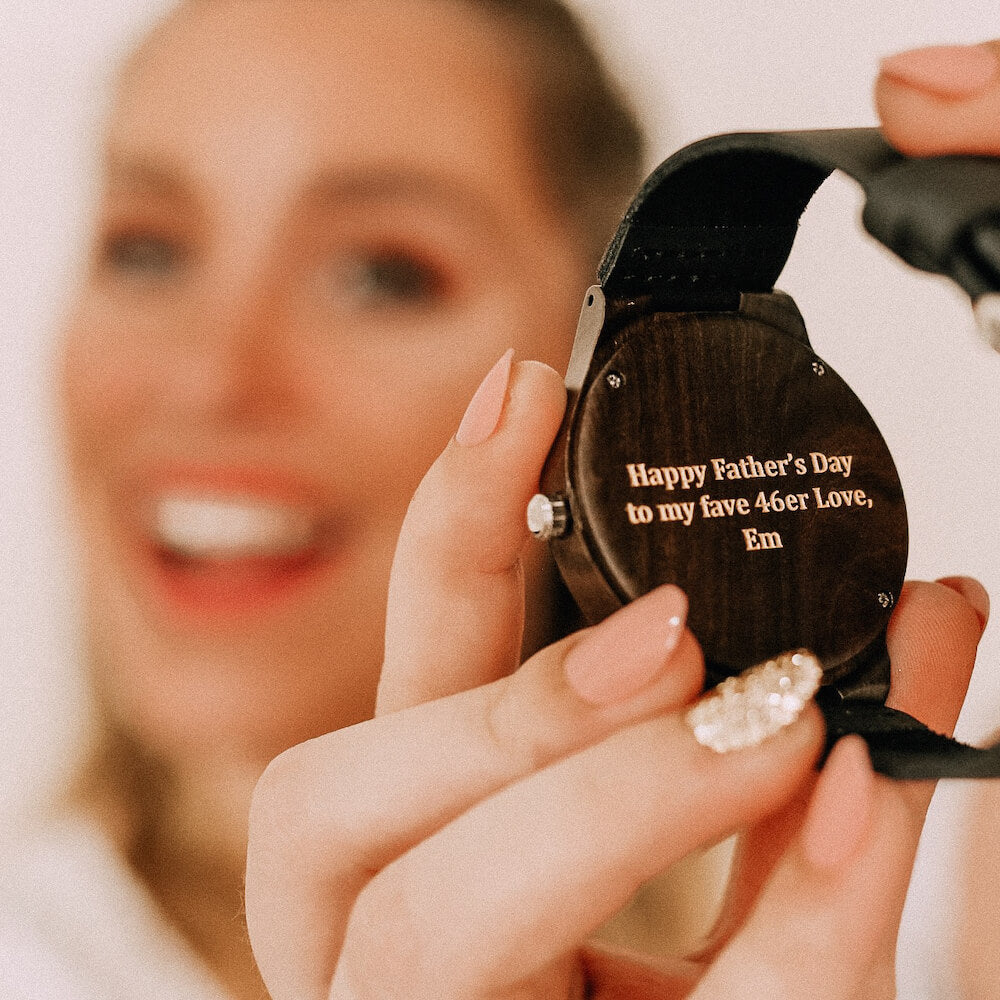
Treehut brings those principles together through responsibly sourced materials, skilled craftsmanship, and personalization that adds meaning to every piece. Proudly made in California, its collections include cactus leather accessories and handmade wooden watches, each designed to combine everyday comfort with lasting quality. Whether you're treating yourself or searching for meaningful gifts for women, choosing an accessory that reflects your lifestyle and values makes every wear more rewarding.
The right choice isn't about which material is better. It's about choosing one that fits how you live, wear, and care for your accessories.
Frequently Asked Questions (FAQs)
-
How long does cactus leather last?
A well-made cactus leather accessory can last for several years with proper care. Its lifespan depends on factors such as material quality, construction, frequency of use, and maintenance. Choosing products with durable stitching and quality finishes helps maximize longevity.
-
Is cactus leather waterproof?
No, cactus leather is not waterproof, but many products are water-resistant. They can typically handle light rain or accidental splashes. Drying the surface promptly after exposure to moisture helps maintain its appearance and extend its lifespan.
-
Does genuine leather always last longer than vegan leather?
Not always. The lifespan of any leather product depends on its material quality, construction, and maintenance. While genuine leather can last for decades with proper care, high-quality vegan alternatives, including cactus leather, also offer excellent durability for everyday use.
-
Does cactus leather feel like real leather?
Cactus leather has a smooth, flexible texture that feels similar to genuine leather, although the two materials are not identical. Genuine leather develops a natural patina over time, while cactus leather maintains a more consistent look and feel throughout its lifespan.
-
Is cactus leather good for a vegan leather watch band?
Yes. Cactus leather works well for a vegan leather watch band because it is lightweight, flexible, and comfortable for daily wear. A well-made cactus leather band can handle regular movement and light moisture exposure when cared for properly.